











Most people buying travel insurance are doing it at the wrong point in the decision-making process.
They are already on the checkout page for a flight, there is a small checkbox that says add travel insurance for OMR 8, and they either tick it without reading anything or skip it entirely. Neither approach is really a choice.
Actual travel insurance decisions are worth a few minutes of thought before you are mid-booking with your card details already filled in. The plans are not all the same. What one covers, another excludes. And the difference between the right policy and the wrong one usually only becomes clear when something goes wrong at 2 am in a foreign hospital.
This is a breakdown of what travel insurance actually covers, what the main plan types are, and what to look at when comparing them.
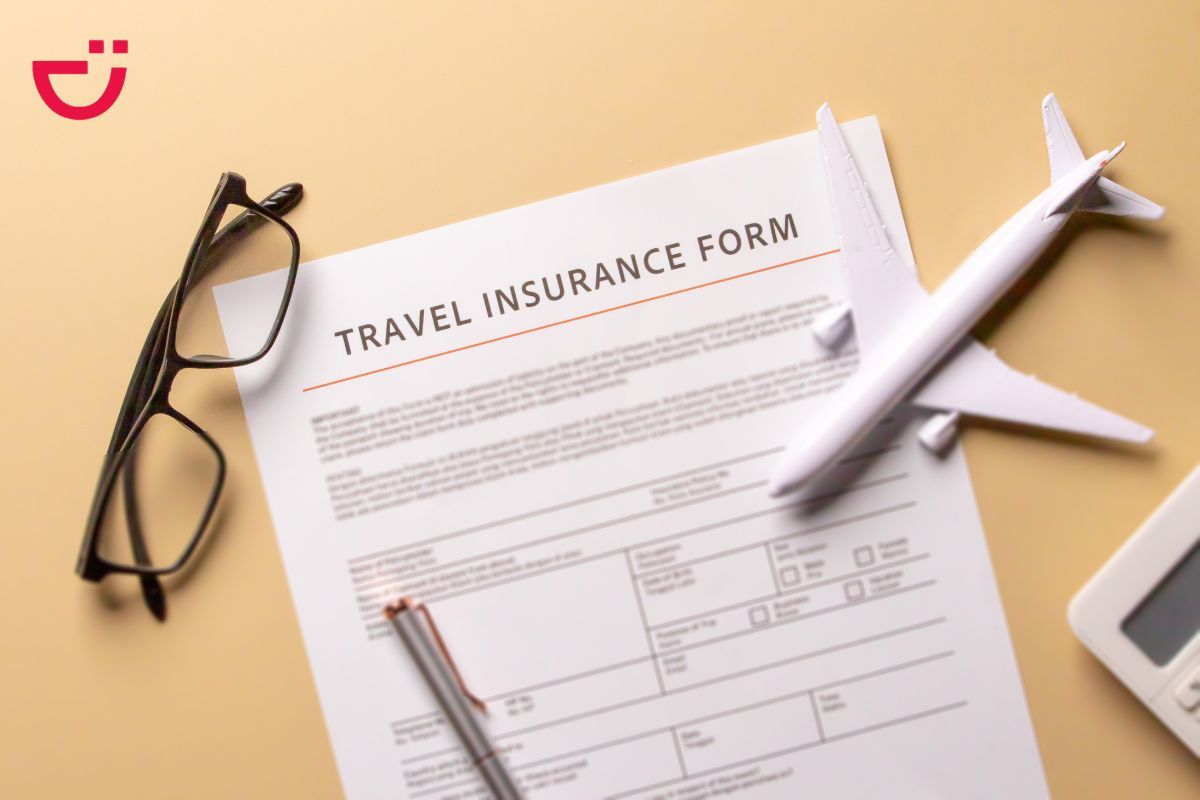
What Travel Insurance Actually Covers
In brief: When you go on a trip, travel insurance will protect you against the financial losses you incur when something goes wrong with your trip. In small print: very few people read the policy wording on their insurance until they are trying to make a claim.
Most travel insurance plans cover the following types of expenses: medical expenses incurred while outside your country of residence, sick or injured while on the trip, cancellation of your trip or cutting your trip short, lost or stolen luggage, settled or delayed, personal liability, and the expenses associated with being evacuated from your destination due to an emergency.
Some plans will cover additional expenses for flight delays, legal costs, and the costs associated with participating in adventure sports. Certain plans will exclude coverage for pre-existing medical conditions.
Depending on your insurance company, plans may have a cost (additional premium) if you want to add pre-existing medical condition coverage to your trip.
Many people's assumptions about what is covered by travel insurance do not match the actual coverage provided by travel insurance.
For example, a travel insurance plan that provides $30,000 (OMR 30,000) in medical coverage is very different from a travel insurance plan that provides $500,000 (OMR 500,000) in medical coverage, especially when travelling to the United States, where a short hospital stay could exceed your annual salary.
The Main Types of Travel Insurance Plans
Single Trip
Exactly what it sounds like. One policy, one trip, coverage from departure to return. This is the right option if you travel once or twice a year and do not want to pay for an annual plan you will barely use.
The thing to check on single-trip policies is the trip duration limit. Some cap coverage at 30 days, others at 60 or 90. If you are doing an extended trip, a three-week tour through Europe followed by a month visiting family elsewhere, make sure the policy duration actually covers the full length of your time away.
Annual Multi-Trip
One premium covers every trip you take within 12 months, up to a per-trip duration limit, which is usually 30 or 45 days per trip. For anyone who travels three times a year or more, the math almost always comes out in favor of an annual plan. Not just financially but practically. You are already covered. You do not need to remember to buy a policy every time you book.
The catch with annual plans is that the per-trip limit matters. If you are planning one trip that runs longer than the individual trip cap allows, you may need a separate single-trip policy for that journey rather than relying on the annual plan.
Family Plans
These cover a group travelling together under a single premium rather than purchasing individual policies for each person. For a family of four, the cost difference is usually significant. The coverage works the same as an individual policy but applies to each insured family member.
Worth checking: whether children are covered automatically or need to be added, the age cap for dependents, and whether spouses travelling separately at any point during the year are still covered under the same plan.
Schengen-Specific Travel Insurance
If your destination includes any Schengen Zone country, you need travel insurance that specifically meets Schengen visa requirements. The minimum required under Schengen rules is medical cover of EUR 30,000, but most insurers issue policies that exceed this by a significant margin. If your policy does not explicitly state Schengen compliance, a visa application can be rejected on that basis alone.
You can compare travel insurance plans that meet Schengen requirements directly on Tameen.om.
What to Actually Compare When You Are Looking at Plans
The price difference between plans is usually the first thing people look at. It should be the last.
Medical Cover Limit
This is the number that matters most. A plan with a low medical limit is not cheap insurance. It is incomplete insurance. For travel to Europe, the Gulf, or Southeast Asia, a minimum of OMR 100,000 in medical cover is a reasonable floor. For the United States, higher is better. Medical costs there are genuinely unlike anywhere else.
Trip Cancellation Terms
Not all cancellation cover is equal. Some plans cover cancellation for any reason. Most cover it only for specific reasons: serious illness or death of the insured or a close family member, natural disaster at the destination, or airline insolvency. If you cancel because you changed your mind or because work came up, most standard policies will not pay out. Make sure the reasons listed in the policy match the scenarios you would actually want to be covered for.
Baggage Cover and Limits Per Item
Baggage cover always has a total limit and usually a per-item limit. If you are travelling with a laptop, a camera, or any single item worth more than OMR 100 or 150, check what the individual item cap is. The total baggage cover might be OMR 500, but if the per-item limit is OMR 75, your OMR 400 camera is not covered at full value, regardless of what the headline figure says.
Pre-Existing Medical Conditions
This is the exclusion that catches people most off guard. If you have a condition that was diagnosed or treated before the policy start date, most standard plans will not cover medical costs related to that condition abroad.
Some plans offer a pre-existing condition waiver for an additional premium. If this applies to you, it is worth paying for. The alternative is discovering at the claims stage that the reason you actually needed the insurance is the one thing the policy will not cover.
Activity Cover
Standard travel insurance is designed around leisure travel. If your trip involves skiing, scuba diving, motorcycling, trekking above a certain altitude, or any activity the insurer classifies as hazardous, you may need to add specific activity cover or choose a plan that includes it. Finding out your activity is excluded after the injury is not a situation worth being in.
If your trip also involves driving a rental car or you are thinking about your motor cover more broadly, motor insurance options on Tameen.om are worth reviewing separately.
Common Mistakes When Buying Travel Insurance
- Buying the cheapest plan without checking the medical limit. This is the most common and most consequential mistake. An OMR 5 premium difference that buys you a quarter of the medical cover is not a saving.
- Buying after the trip starts. Most travel insurance must be purchased before departure. If you buy it the morning you are flying, or after you have already left, some insurers will void the policy entirely or apply waiting periods that make the cover almost useless for your specific trip.
- Not declaring a pre-existing condition because it feels like it will push the price up. If you do not declare it and then need to claim for something related to it, the claim will very likely be rejected. Declare it, pay the extra premium if there is one, and actually be covered.
- Assuming the policy that covered your last trip covers this one. Plans renew with changed terms. Destinations change. Trip durations change. Spending five minutes checking the policy details before each trip is a reasonable habit.
How to Compare Travel Insurance in Oman
The practical approach is to run a comparison with your actual trip details rather than looking at generic plan descriptions.
Different trips produce different risk profiles. A two-week trip to Thailand has different coverage priorities than a three-day business trip to Dubai.
Here’s what you need to do:
Enter your destination, trip dates, and number of travelers.
- Filter by medical cover minimum rather than by price.
- Check whether your specific destination requires Schengen compliance or any other visa-mandated coverage type.
- Review the exclusions section, not just the headline benefits.
- If you have a pre-existing condition, filter for plans that offer a waiver.
The comparison process takes under ten minutes when you have the trip details in front of you. The policy you end up with is meaningfully better than one picked on price alone.
Conclusion
Travel insurance is one of those purchases where the product quality only reveals itself when something goes wrong. By then, shopping around is not an option. The work happens before the trip.
The best travel insurance is not the most comprehensive plan available. It is the one that covers the risks most relevant to where you are going and how you travel. Medical limits, cancellation terms, baggage caps, and activity exclusions are the variables that actually separate plans from each other.
Head to Tameen.om to compare travel insurance plans side by side and find one that fits your trip before you book.
Frequently Asked Questions
Is travel insurance mandatory for travel from Oman?
Not for all destinations. It is mandatory for Schengen visa applications, which require a minimum of EUR 30,000 in medical cover. For other destinations, it is not legally required, but the financial exposure of travelling uninsured, particularly for medical emergencies, makes it a practical necessity rather than an optional extra.
Does travel insurance cover trip cancellation if I change my mind?
Standard policies do not cover cancellation for any reason. They cover specific reasons: serious illness, death of a close family member, or events like natural disasters. Cancel for any reason cover exists as an add-on with some insurers, but costs more. Read the listed cancellation triggers in the policy before assuming you are covered.
Can I buy travel insurance after I have already left Oman?
Most insurers require the policy to be purchased before departure. Some will sell you a policy after you have left, but apply a waiting period of 24 to 72 hours before cover activates, which means any incident in that window is not covered. Buying before you travel avoids this problem entirely.
Explore All Insurance Options on Tameen
Discover a wide range of insurance plans and compare coverage to find the option that best fits your needs.






 Whatsapp