










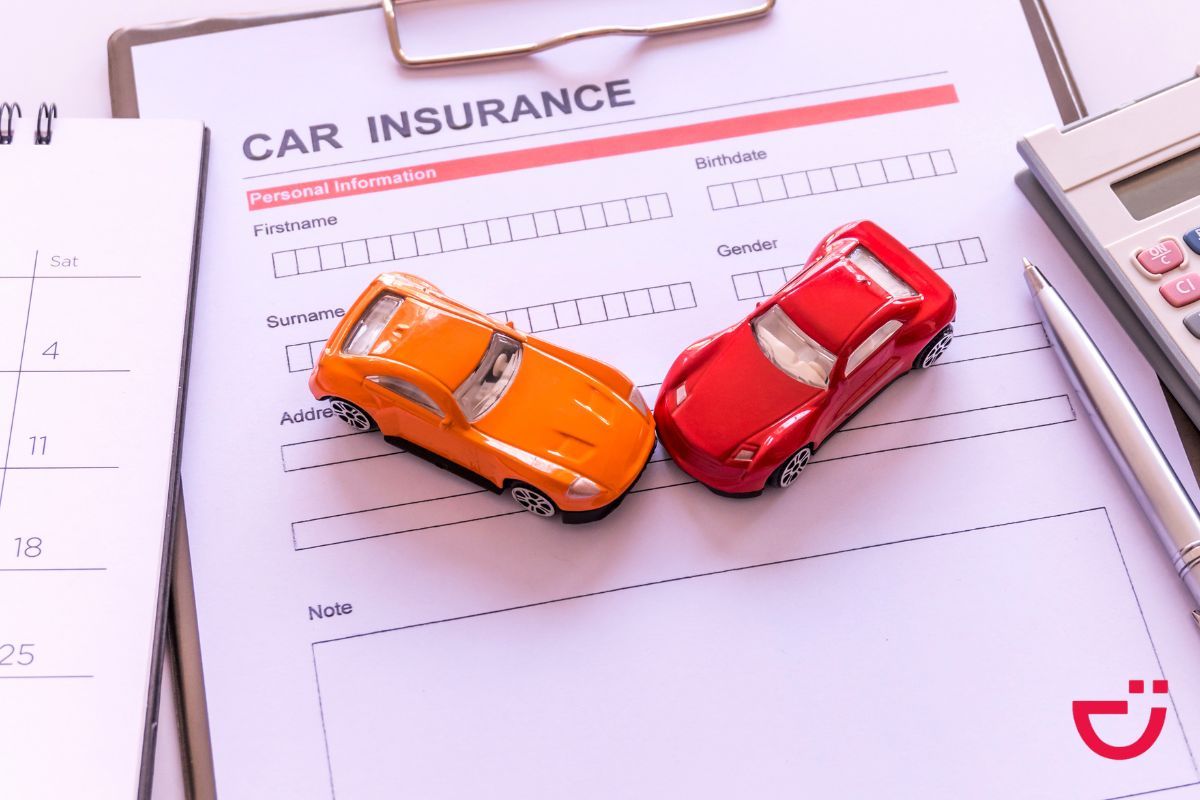
If you're buying or renewing car insurance in Oman, sooner or later you'll hit the same fork in the road: comprehensive or third-party?
The cheaper option is tempting, and honestly, on paper, both let you drive legally. But the difference doesn't really show up until something goes wrong — a fender bender, a break-in, a storm that leaves your car dented and your wallet lighter.
Picking a policy isn't really about chasing the lowest number on the quote. It's about being honest with yourself about how much risk you're willing to carry.
Here's a straightforward look at what each type covers, where they differ, and how to figure out which one actually makes sense for you.
Understanding Car Insurance Requirements in Oman
Let's start with the basics of car insurance. Every car on Omani roads needs, at a minimum, third-party liability cover. It exists to protect other people — if you cause an accident, the people you hit shouldn't be left covering their own damage.
Skip this, and you're looking at fines, personal liability for damages, and headaches when it's time to renew your registration.
Third-party is the legal floor, not the ceiling. Plenty of drivers go further and choose comprehensive cover instead.
What is Third-Party Car Insurance?
This is the entry-level option, and it does exactly what the name suggests: it covers your liability to other people, not your own car.
What Does Third-Party Insurance Cover?
Generally, you're looking at:
- Damage to someone else's vehicle
- Damage to third-party property
- Injuries to other people
- Your legal liability after a crash
In short, it protects everyone but you.
What Isn't Covered?
And that's really the catch. Your own car is on its own.
Cause an accident, and you're paying for your own repairs out of pocket. Third-party insurance won't touch:
- Damage to your own car
- Theft
- Fire
- Floods or other natural events
- Vandalism
- Your own repair bills
Advantages of Third-Party Insurance
None of this means it's a bad option. People pick it because:
- It's cheaper
- It satisfies the legal requirement
- It makes sense for an older car that isn't worth much anyway
Things to Consider
The catch is obvious once you think it through: save a little now, and you could end up paying a lot more later if your own car gets damaged. Repair bills add up fast — often faster than whatever you saved on premiums.
What Is Comprehensive Car Insurance?
Comprehensive cover does everything a third-party does, then adds protection for your own vehicle on top.
Instead of only paying out when you damage someone else's property, it also helps cover the cost of repairing — or replacing — your own car.
What Does Comprehensive Insurance Cover?
Policies vary by insurer, but you'll typically find:
- Third-party liability
- Damage to your own car from accidents or collisions
- Theft
- Fire damage
- Malicious damage
- Natural disasters
- Personal accident cover for the driver
- Medical expenses
- Roadside assistance
- Agency repair options
- Cover for depreciation on spare parts
- Optional off-road cover
Some insurers throw in extras that make the claims process a bit less painful, too. Since coverage isn't identical across providers, it's worth comparing a few before committing.
Comprehensive vs. Third-Party Insurance: Key Differences
The core difference comes down to one question: who's protected? Both policies satisfy Oman's legal requirements, and both cover damage or injury you cause to others. Comprehensive just goes further — it protects your car too.
Say you're at fault in an accident. With third-party cover, the other person's damage gets paid, but your repair bill is yours to handle. With comprehensive, your own vehicle gets covered as well.
Comprehensive also picks up risks that third-party simply doesn't touch — theft, fire, storm damage. And a lot of policies bundle in roadside assistance, or at least offer it as an add-on, which makes day-to-day driving a bit less stressful.
Third-party's biggest selling point is the price. If all you want is to meet the legal minimum, it's the cheaper route. Comprehensive costs more upfront, but it can save you from a much bigger bill down the line if something unexpected happens.
At the end of the day, it comes down to what your car is worth, what you can afford monthly, and how much risk you're okay carrying yourself. For a lot of drivers, the extra cost of comprehensive coverage buys real peace of mind.
How to Choose Between Third-Party and Comprehensive Insurance
There's no universal right answer — it depends on your car, your budget, and how you actually drive.
Third-party might suit you if you:
- Drive an older car worth relatively little
- Want the cheapest premium available
- Rarely use the car
- Just need to meet the legal minimum
Comprehensive might be the better fit if you:
- Own a new or high-value car
- Are still paying off a loan or lease on it
- Drive daily or cover long distances
- Want protection from theft, fire, or natural disasters
- Own something specialized — an SUV, off-roader, truck, bus, or tanker
Yes, comprehensive costs more. But it can spare you from an expensive surprise later.
Factors to Consider Before Choosing a Policy
There's no single "correct" policy for everyone. Before deciding, think through:
- Vehicle value — newer or pricier cars usually benefit more from comprehensive cover.
- Vehicle age — an older, lower-value car might only need third-party.
- Driving habits — daily drivers and long-distance commuters often find the extra cover worthwhile.
- Budget — don't just look at the premium; think about what you could actually afford if repairs were needed tomorrow.
- Where you drive — frequent travel or off-road driving might call for extra coverage.
- Claims support — an insurer with a smooth claims process and solid garage network matters more than people expect until they need it.
Why Choose Tameen.om for Motor Insurance?
Comparing insurers one by one is tedious. Tameen.om makes it simpler — you can:
- Compare quotes from Oman's leading insurers
- Choose between comprehensive and third-party
- Find premiums that fit your budget
- Get a customized cover for luxury or specialized vehicles
- Get guided support through the claims process
- Have your policy delivered to your door
- Get priority service at approved garages
- Work with a dedicated claims service manager
- Get reminders before your renewal date
Rather than calling around to different insurers, you compare everything side by side and pick what actually fits.
Final Thoughts
Both comprehensive and third-party insurance matter — they just protect different things.
If your main goal is to meet the legal requirement at the lowest cost, a third party might do the job, especially for an older car.
But if you want your own vehicle protected too, and a bit more financial breathing room if things go wrong, comprehensive is usually worth the extra cost.
Don't just compare premiums. Look at what's actually included, think about how you drive, weigh your car's value, and pick a policy you'd feel confident about if you ever had to use it.
With Tameen.om, you can compare trusted insurers, tailor your coverage, and land on the right motor insurance policy without the runaround.
Protect your car, compare your options, and drive knowing you're covered.
Frequently Asked Questions
Is third-party insurance enough for my car in Oman?
Depends on the car. It covers the legal minimum, but not damage to your own vehicle. If your car is newer or worth more, comprehensive is usually the smarter call.
Is comprehensive insurance mandatory in Oman?
No, only third-party is required by law. Comprehensive is optional, but it covers a lot more ground.
Can I upgrade from third-party to comprehensive insurance?
Yes, most insurers allow it. Depending on your car's age and condition, they may ask for an inspection first.
Explore All Insurance Options on Tameen
Discover a wide range of insurance plans and compare coverage to find the option that best fits your needs.






 Whatsapp