










If you’re already living with diabetes, high blood pressure, or another ongoing health condition, buying health insurance can feel a bit nerve-wracking. Will the insurer even accept you? Will your condition actually be covered, or will it get quietly excluded somewhere in the fine print?
The good news is coverage is possible in most cases. The details, though, depend heavily on the insurer, the plan, and how you declare your condition when applying.
In this article, we’ll walk through how pre-existing conditions are generally handled in Oman, what this means specifically for diabetes and high blood pressure, and the questions worth asking before you sign up.
What Counts as a Pre-Existing Condition?
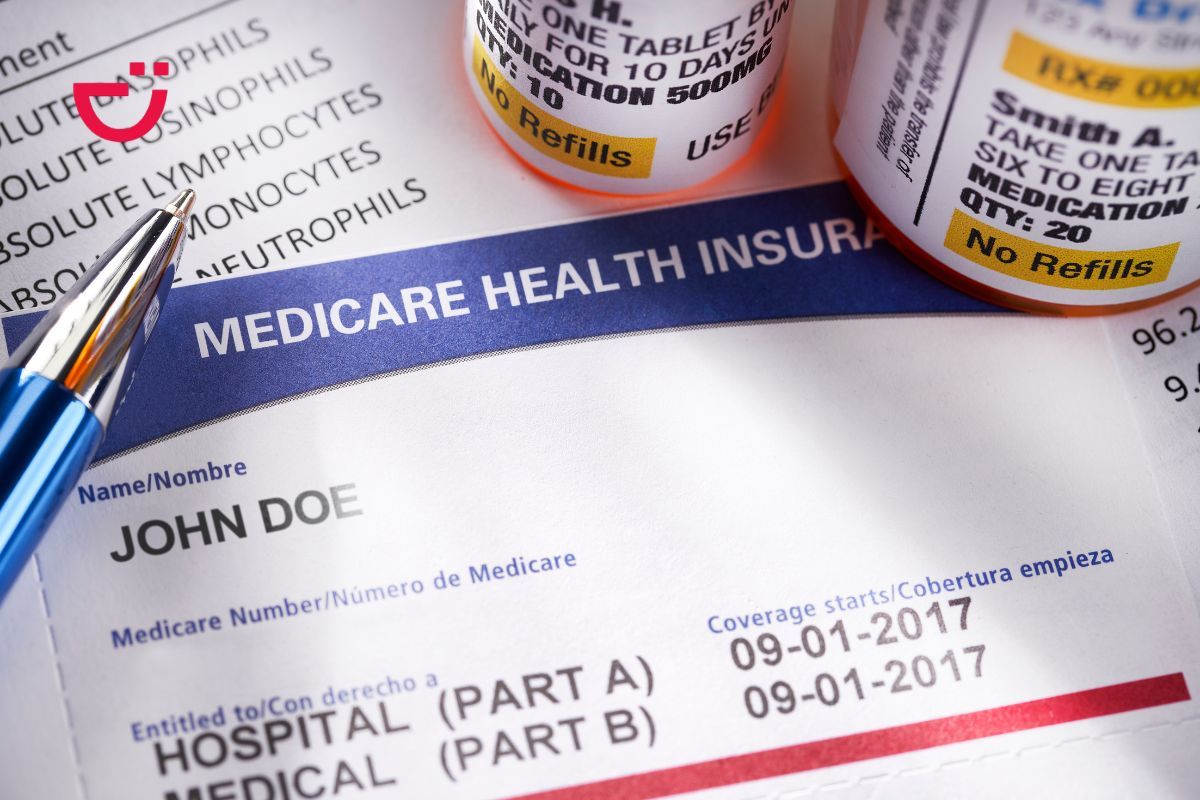
A pre-existing condition is really just any health condition you were diagnosed with, treated for, or showed symptoms of before your insurance policy started. That’s a fairly broad definition, and it covers everything from diabetes and high blood pressure to asthma, thyroid conditions, and heart disease.
It doesn’t really matter whether the condition is well-managed now or causing zero issues. If it existed before your policy began, insurers generally treat it as pre-existing, which means it needs to be declared.
How Insurers in Oman Typically Handle Pre-Existing Conditions
When you apply for health insurance, you’ll usually need to fill out a health declaration form. This is where you list any known conditions so the insurer can properly assess your application. Skipping this, even by accident, can cause real problems later, which we’ll get into shortly.
Once a condition is declared, insurers generally take one of three approaches:
- Immediate coverage. Some plans accept certain pre-existing conditions from day one, sometimes with an added cost attached.
- Coverage after a waiting period. Plenty of plans will cover the condition, just not until a set number of months have passed since the policy started.
- Exclusion. In some cases, particularly with more complex or high-risk conditions, the insurer may simply exclude it from coverage altogether.
Which of these applies to you comes down to the insurer, the specific plan, and sometimes how well-controlled your condition actually is. Tameen.om, for example, offers coverage for declared pre-existing conditions, with options for immediate or early inclusion depending on the policy you choose.
Diabetes and High Blood Pressure Specifically
Diabetes and high blood pressure are two of the most common pre-existing conditions people ask about, and there’s good reason for that.
Both are widespread, both are manageable with proper care, and both come with ongoing costs like regular check-ups, blood tests, and daily medication.
For these two conditions in particular, plenty of insurers in Oman are willing to offer coverage, especially when the condition is well-controlled and properly documented. Here’s roughly what that tends to look like.
What’s often covered, once declared and accepted, includes routine consultations with your doctor, prescribed medication for managing the condition, and regular monitoring like blood sugar or blood pressure checks.
What tends to be more limited is complications arising from poorly managed diabetes or high blood pressure, things like kidney issues or cardiovascular events, which may come with stricter conditions or separate sub-limits.
Some plans also cap how much they’ll pay annually toward ongoing chronic condition management, even when the condition itself is technically covered.
This is exactly why it’s worth reading the policy wording carefully instead of assuming “covered” automatically means fully covered in every situation.
What Happens If You Don’t Declare a Condition
It’s tempting to leave a condition off your application, especially if you’re worried it’ll bump up your premium or lead to exclusions. But this rarely pays off in the end.
If an insurer later discovers a condition existed before your policy started and wasn’t declared, they can reject claims tied to it, or in more serious cases, cancel the policy entirely.
That means you could be paying premiums for months or years only to find out, right when you actually need it, that you have no coverage at all.
Being upfront about your health history, even if it means a slightly higher premium, protects you far more in the long run than hoping an insurer never finds out.
Waiting Periods Explained
A waiting period is simply how long you need to hold a policy before coverage for a specific condition actually kicks in.
For pre-existing conditions, this is pretty standard practice among insurers, since it discourages people from buying a policy only once they already need treatment.
The exact length varies quite a bit between insurers and plans. Some apply a shorter waiting period for conditions like diabetes or high blood pressure, while others set longer periods for more complex conditions.
Since there’s no standard number across the market, it’s always worth asking your insurer directly what waiting period applies to your specific condition before committing to a plan.
If you need treatment that requires sign-off in advance, it also helps to understand how pre-approval works, which we cover in our guide on health insurance pre-approval.
How Pre-Existing Condition Coverage Affects Your Premium
Declaring a pre-existing condition can sometimes mean a higher premium, since the insurer is taking on more predictable, ongoing risk by covering you. This is often called a loading, essentially an added amount on top of the standard premium.
Paying more can feel discouraging, sure, but it’s worth weighing against the alternative: a cheaper policy that either excludes your condition entirely or rejects a claim down the line because the condition wasn’t properly declared.
In most cases, a slightly higher premium with genuine coverage ends up being the safer, more cost-effective choice.
Questions to Ask Before You Buy Health Insurance
Before choosing a plan, it’s worth getting clear, direct answers to a few key questions:
- Is my condition covered immediately, or only after a waiting period, and how long is that period?
- Are there sub-limits specifically on medication or monitoring for my condition?
- What exactly counts as a “complication” that might fall outside standard coverage?
- Will my premium change if my condition becomes better or worse controlled over time?
Having these answers in writing, rather than relying on a vague assurance that “pre-existing conditions are covered,” can save you a lot of confusion later.
Conclusion
Living with diabetes, high blood pressure, or another ongoing condition doesn’t put health insurance out of reach in Oman.
Coverage is available in most cases, but it comes down to honest declaration, understanding waiting periods, and knowing exactly what is and isn’t included for your specific condition.
Taking the time to ask the right questions upfront means fewer surprises later, right when you need your coverage the most.
As an FSA-licensed insurance broker, Tameen.om helps you compare health insurance plans in Oman side by side, so you can see exactly how each one handles conditions like diabetes or high blood pressure before committing to anything.
Frequently Asked Questions
Will my premium increase if I declare diabetes or high blood pressure?
It can, since insurers may apply a loading for declared conditions that involve ongoing care. The exact increase depends on the insurer and how well-managed the condition is.
Can I switch insurers if my current one excludes my condition?
Yes, you can switch at renewal or policy expiry, though a new insurer may apply its own waiting period or terms for the same condition, so it’s worth comparing before making the switch.
Do waiting periods apply to routine check-ups for an existing condition?
It depends on the plan. Some insurers cover routine monitoring from day one even while a waiting period applies to other aspects of the condition, so it’s worth confirming this specifically with your insurer.
Explore All Insurance Options on Tameen
Discover a wide range of insurance plans and compare coverage to find the option that best fits your needs.






 Whatsapp