











Moving to a new country's a big decision, and there's genuinely a lot to organize before you actually feel settled. If you're planning a move to Oman for work, family, or just a different lifestyle, understanding the practical side of it all makes the whole process a lot easier.
Visa, housing, bank account, healthcare, getting around — there's a fair bit to sort out during the actual move itself.
This guide covers the main things expats should know before moving to Oman, so you can arrive better prepared and start settling into everyday life without too many surprises.
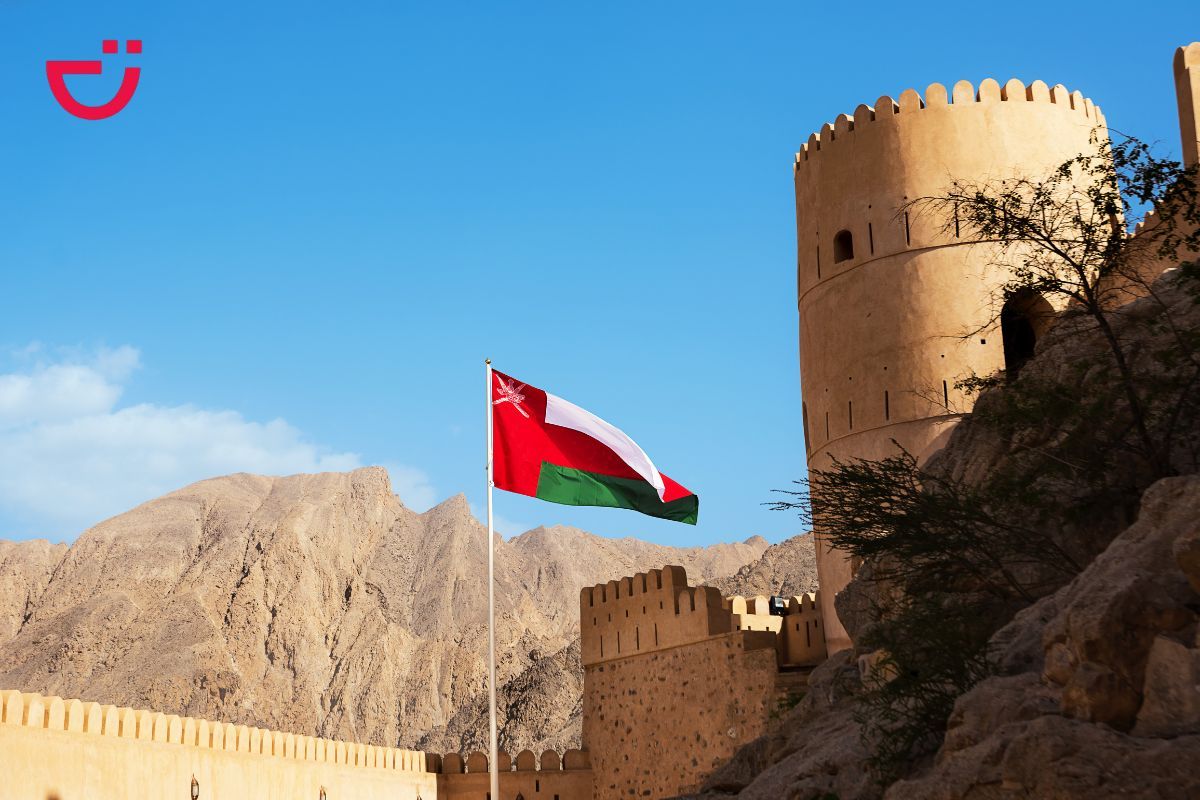
Why Move to Oman?
Oman draws expats for a handful of reasons. There are employment opportunities across energy, tourism, logistics, healthcare, construction, and tech. It also offers a slower pace of life compared to some of the bigger Gulf cities, with easy access to beaches, mountains, deserts, and other natural spots.
Oman also has established expat communities, particularly around Muscat, which makes finding services and connecting with other residents a lot easier for newcomers.
Before moving, though, it's worth genuinely weighing salary, housing costs, healthcare, transportation, and other living expenses. A realistic budget helps you actually decide whether the move makes sense for you and your family, rather than finding out the hard way after landing.
Getting a Visa and Residency in Oman
If you're moving for employment, your visa and work arrangements should really be sorted before you relocate, not after.
Employment Visa
An Oman work visa is generally issued at the request and responsibility of a local employer. The employer needs to meet the applicable requirements and get the necessary labour permit for the foreign employee. The Royal Oman Police also requires the applicant's passport to have at least six months of validity for the relevant work visa process.
Before moving, make sure you actually understand who's responsible for your visa, work permit, and other relocation procedures. Keep copies of your employment documents and visa information for your own records.
Residence Card
Foreigners residing in Oman need to obtain a residence card. The official Gov.om service notes that the application involves documents like the passport, relevant employment documentation, and medical examination requirements.
Your residence card matters a lot for everyday life in Oman, so keep it somewhere safe and make sure it stays valid.
Family and Dependent Visas
If you're moving with family, check the applicable requirements for bringing dependents. Requirements can shift depending on your relationship to the applicant, sponsorship arrangements, and current regulations.
Worth researching this before moving, so you know exactly what documents your family members will actually need.
Finding a Place to Live in Oman
Finding the right home's one of the first big decisions you'll make once you've actually arrived.
Popular Areas for Expats
Muscat's a popular choice, with areas like Qurum, Al Khuwair, Al Mouj, and Madinat Al Irfan offering different types of housing and amenities.
The right location really depends on your workplace, budget, family needs, and preferred lifestyle. A home that looks affordable on paper might not be practical if it means a brutal daily commute.
Renting a Home
When comparing rentals, look past the monthly rent number. Check the deposit, contract length, maintenance responsibilities, utility costs, parking, and any additional fees tacked on.
Read the rental agreement carefully before signing, and make sure you actually understand what's included. If you can, inspect the property thoroughly before moving in and document any existing damage — saves a headache later.
Cost of Housing
This varies a lot depending on location, size, condition, and available facilities. Furnished properties tend to cost more than unfurnished ones too.
When building your relocation budget, remember utilities, internet, deposits, furniture, and other initial setup costs — they add up fast.
Understanding the Cost of Living in Oman
Your actual cost of living depends heavily on lifestyle and whether you're moving solo or with a family. Some of the main expenses worth budgeting for:
- Rent and utilities
- Groceries and dining
- Transportation and fuel
- Healthcare and insurance
- School fees, if you've got children
- Mobile and internet services
- Entertainment and leisure
- Household and personal expenses
Before moving, build a monthly budget based on your expected salary against actual local costs. That gives you a much clearer picture of what you'll genuinely need each month, rather than guessing.
Opening a Bank Account
A local bank account makes everyday expenses a lot easier to manage, and your employer might actually require one for salary payments anyway.
Requirements vary bank to bank, but you'll generally need identification and residence or employment documents. Check directly with whichever bank you're considering to confirm their current requirements.
When comparing accounts, look at fees, ATM access, mobile banking features, international transfers, and any minimum balance requirements.
Healthcare in Oman
Healthcare should genuinely be part of your relocation planning, especially if you're moving with kids or have ongoing health needs.
Oman has both public and private healthcare, with private widely used by residents and expats alike. Your employer might provide health insurance as part of the job, so check exactly what the policy actually covers before assuming it's got you sorted.
Look at the hospitals and clinics in your network, coverage limits, exclusions, emergency treatment, and any deductibles or co-payments involved.
Oman's national health insurance platform, Dhamani, connects insurance and healthcare institutions and supports the electronic exchange of health insurance information and transactions.
If your employer's coverage falls short of what you need, worth considering additional protection for yourself or your family separately.
Driving and Getting Around Oman
Having a car can genuinely help in Oman, especially if you're living outside central areas or commuting regularly.
Getting an Omani Driving Licence
Whether you can use or exchange your existing licence depends on your circumstances and where it was originally issued. The Royal Oman Police has a specific process for exchanging eligible foreign licences, requiring a valid existing licence, residence card, and an approved eye test.
If you need a new licence entirely, that involves passing the required driving test alongside a valid eye test.
Always check the latest requirements before actually driving in Oman — these can shift.
Buying or Renting a Car
If you decide to get one, think about the full cost, not just the purchase or rental price. Fuel, maintenance, registration, tyres, and insurance all add to your monthly outlay.
Renting first can give you time to actually understand your commute before deciding whether buying makes sense.
Motor Insurance
If you'll be driving, make sure you've got appropriate motor insurance sorted. Third-party covers basic protection for liabilities to others, while comprehensive generally offers broader protection for your own vehicle, subject to the policy terms.
Tameen.om lets you compare motor insurance options in Oman and choose coverage based on your vehicle and needs.
Finding Work and Understanding Employment
If you're moving because of a new job, go through your employment contract carefully before actually relocating.
Check your salary, working hours, annual leave, health insurance, accommodation or housing allowance, transportation benefits, and any other allowances included.
You should also understand exactly who's responsible for your visa and work-related documentation. Keep a copy of your signed employment contract and other important employment records somewhere safe.
The Ministry of Labour's guidance for expatriate employees recommends keeping a copy of the work contract and highlights the importance of completing the relevant labour and residence card procedures once you've actually arrived.
Education for Expats With Children
Families moving to Oman have access to international and private schools running different curricula.
When choosing one, compare curriculum, fees, location, admission requirements, class sizes, and place availability. If you're moving mid-academic year, check admission timelines as early as you possibly can.
Your children's education can end up a genuinely significant part of your household budget, so factor in school fees and related transportation or activity costs when planning the move.
Everyday Life in Oman
Language
Arabic is Oman's official language, though English is widely used across business, services, and a lot of everyday situations. Learning a few basic Arabic phrases still makes daily interactions easier and helps you connect with the local community more genuinely.
Culture and Customs
Respecting local customs matters a lot for settling in well. Pay attention to expectations around dress, public behavior, religious practices, and social etiquette.
Taking the time to understand local traditions makes the transition a lot more comfortable and helps you feel more at home a lot faster.
Shopping and Groceries
Supermarkets, local markets, shopping malls, and online delivery are all available across much of Oman. Most everyday essentials are easy enough to find, though some imported products can cost more than you'd expect.
Weekends and Leisure
Oman offers plenty outside of work — beaches, mountains, wadis, deserts, forts, cultural sites, restaurants, outdoor activities galore.
Taking time to actually explore your new surroundings is also a genuinely good way to get familiar with the country and meet people along the way.
Setting Up Utilities and Essential Services
Once you've got a home, you'll need to arrange essential services — electricity, water, internet, mobile phone access.
Some of these require identification or proof of residence, so keep your important documents somewhere accessible during this stretch.
Setting up internet and a local mobile connection early makes managing work, banking, transportation, and other everyday tasks a lot smoother from the start.
What to Bring When Moving to Oman
Don't forget the basics when packing. Bring your passport, visa documents, employment records, residence paperwork, and certified copies of important documents.
Pack any medication you use regularly and keep prescriptions or supporting medical documents where appropriate. Clothing should suit Oman's warm climate while still being appropriate for local customs.
Worth bringing electronics and suitable adapters too, though most everyday products can just be bought locally once you're there.
Insurance to Consider When Moving to Oman
Insurance's easy to overlook when you're focused on visas, housing, and employment, but it genuinely deserves a spot in your relocation planning.
Health Insurance
Check whether your employer provides it and understand exactly what's included. If you're moving with family, confirm whether dependents are actually covered, or whether you need additional insurance on top.
Motor Insurance
If you drive, arrange suitable motor insurance before actually using your vehicle. Compare third-party and comprehensive policies based on how much protection you actually want.
Travel Insurance
Also genuinely useful during the relocation itself or for trips outside Oman. Depending on the policy, it might cover eligible medical expenses, delays, baggage issues, and other travel-related risks.
Home and Personal Insurance
Worth considering too, especially if you're bringing valuable items with you and want protection for personal belongings or home contents.
Always check the policy limits, exclusions, and conditions before actually buying anything.
Final Thoughts
Moving to Oman can be an exciting opportunity, but good preparation makes the transition easier. Before you arrive, sort out your visa and employment arrangements, research housing, plan your budget, and understand healthcare, banking, and transportation.
Once you arrive, take time to learn local customs and explore your new surroundings. Settling in takes time, but being prepared can make the process much smoother.
Insurance should also be part of your relocation plans. Compare health, motor, travel, and other coverage options to find a policy that suits your needs.
With Tameen.om, you can compare insurance options in Oman and find coverage that genuinely fits your needs.
Frequently Asked Questions
Is Oman a good place for expats to live?
It can be a genuinely attractive option for expats after employment opportunities, a quieter lifestyle, and access to beaches, mountains, and other natural attractions. Your experience will come down to your job, location, budget, and family situation.
How much money do I need to move to Oman?
There's no single number that works for everyone. Initial costs depend on housing, deposits, transportation, flights, household items, and family size. Build a budget that covers both relocation costs and several months of regular expenses, not just the move itself.
Do expats need health insurance in Oman?
Healthcare and insurance arrangements depend a lot on your employment and residency circumstances. If your employer provides health insurance, review the policy carefully to understand exactly what's covered and whether your dependents are actually included.
Explore All Insurance Options on Tameen
Discover a wide range of insurance plans and compare coverage to find the option that best fits your needs.






 Whatsapp