











Planning a trip is the fun part. Flights booked, hotel sorted, half your evening spent scrolling through things to see and do. Ending up in a hospital bed isn't exactly on anyone's itinerary.
But medical emergencies don't check your calendar first. A sudden illness, an accident, an injury that comes out of nowhere — and suddenly you're dealing with medical bills in a country where healthcare doesn't come cheap.
That's really what travel insurance is for. It's not just a box to tick before you fly — it's the thing standing between you and a financial mess if something goes wrong.
Here's what travel insurance typically covers for medical emergencies, what it usually leaves out, and how to pick a policy that actually protects you.
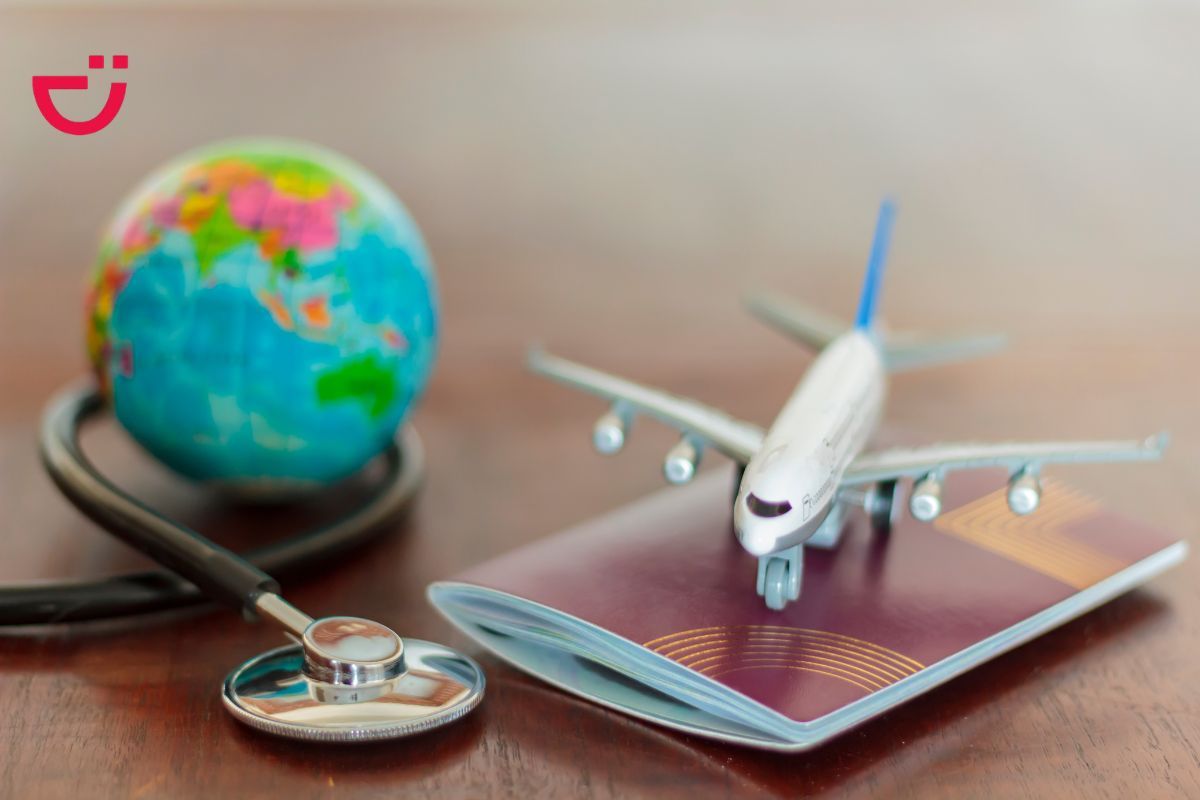
Why Medical Coverage Is One of the Most Important Parts of Travel Insurance
Say "travel insurance" to most people, and they think lost luggage, delayed flights. Useful, sure — but medical coverage is usually the part that matters most.
You don't get a warning for a medical emergency. It could be a sudden illness, a fall while sightseeing, an accident that needs urgent care.
And depending on where you are, medical costs can spiral fast. Hospital stays, emergency surgery, ambulance rides, specialist care — these add up to thousands of rials in some countries.
Solid medical coverage means those costs are handled, so you can actually focus on recovering instead of doing math in your head.
What Does Travel Insurance Usually Cover?
Coverage differs by insurer, but most travel insurance policies handle a fairly standard range of medical situations:
- Emergency medical treatment
- Hospital admission and hospitalization
- Emergency surgery
- Doctor consultations
- Prescription medication tied to a covered illness or injury
- Emergency ambulance services
- Emergency medical evacuation
- Repatriation home, if medically necessary
Some insurers throw in emergency assistance services too — help finding a hospital, arranging transport, or even translating with local doctors.
Since every insurer's list looks a bit different, it's worth actually reading the policy before you buy.
What Isn't Usually Covered?
Travel insurance is built for the unexpected — not every medical situation makes the cut. Common exclusions:
- Pre-existing conditions, unless specifically covered
- Routine check-ups
- Cosmetic or elective procedures
- Non-emergency treatment
- Anything related to alcohol or drug use
- Injuries from activities the policy excludes
- Claims that fall outside the terms altogether
Reading through the exclusions ahead of time means no nasty surprises if you ever actually need to claim.
Why Medical Coverage Limits Matter
Not every policy offers the same ceiling on medical protection. One might cap out at OMR 30,000, another at OMR 100,000 or more.
That gap can matter a lot, depending on where you're headed. Healthcare costs vary wildly between countries — a short hospital stay in the wrong place can blow past a low coverage limit without much effort.
This is exactly why the premium alone shouldn't decide it. A slightly pricier policy with a much higher medical limit is often the better deal if things actually go wrong.
When comparing plans, check the medical coverage limit specifically, and think about whether it's realistic for wherever you're traveling.
What If You Have a Pre-Existing Medical Condition?
If a condition was diagnosed or treated before you bought your policy, it usually counts as pre-existing — and most standard policies exclude medical costs tied to it.
That said, some insurers will cover pre-existing conditions for an extra premium.
If this applies to you, declare it honestly when you buy. Skip this step, and you risk having a genuine claim rejected exactly when you need it most.
Being upfront here just protects you later.
Medical Emergencies That Travel Insurance Can Help With
Every trip's different, but a few scenarios come up often enough to be worth mentioning.
- Sudden illness — you pick up a serious infection mid-trip and need hospital treatment.
- Accidents and injuries — a fall at a tourist site, a broken bone, urgent care needed.
- Emergency surgery — an unexpected condition requires urgent surgery while you're away.
- Food poisoning — a bad enough case leads to dehydration and a hospital stay.
- Emergency medical evacuation — if local facilities can't treat you properly, your insurer may arrange transport elsewhere, sometimes all the way back home.
What's actually covered depends entirely on your policy, so check the fine print before you fly.
How to Choose the Right Travel Insurance for Medical Protection
A few things worth checking before you commit:
- Medical coverage limits — enough for where you're actually going
- Policy exclusions — know what's not covered before you need it to be
- Emergency assistance services — is 24-hour support actually available?
- Medical evacuation — included, or an extra add-on?
- Your destination — healthcare costs differ enough between countries that it should shape your choice
- Planned activities — skiing, diving, trekking may need separate cover
- Comparing insurers — worth looking at more than one to find the right balance of price and protection
Sorting this out before you leave is a lot easier than sorting it out from a hospital bed abroad.
How to Compare Travel Insurance on Tameen.om
The process on Tameen.om is pretty quick:
- Enter your destination.
- Select your departure and return dates.
- Add the number of travelers.
- Compare quotes from leading insurers.
- Check medical coverage limits, benefits, and exclusions.
- Pick the policy that fits your trip.
- Buy online.
Heading to Europe? You can compare Schengen-compliant plans too.
Why Choose Tameen.om for Travel Insurance?
Comparing insurers one by one gets old fast. With Tameen.om, you can:
- Compare plans from leading insurers
- Find competitive premiums
- Choose between single-trip and annual cover
- Compare Schengen-compliant policies
- Buy your policy online, securely
- Review coverage and exclusions before you commit
- Find plans that suit individuals or families
- Instead of calling around, you compare everything in one place and pick what actually fits.
Final Thoughts
You can't predict a medical emergency, but you can prepare for one — and that's exactly what the right travel insurance policy does.
Good coverage means unexpected medical costs don't derail your trip, emergency help is there if you need it, and you can actually relax while you're away.
The cheapest policy isn't automatically the smartest pick. Look at the medical coverage limits, the exclusions, and the emergency services on offer before you decide.
Before your next trip, compare plans on Tameen.om and pick coverage that actually gives you peace of mind, wherever you're headed.
Frequently Asked Questions
Does travel insurance cover emergency medical treatment abroad?
Yes, most policies cover emergency treatment for unexpected illness or injury while traveling. Exact coverage depends on the policy.
Does travel insurance cover hospitalization?
Many plans cover hospital admission and hospitalization when it's medically necessary and included under the policy.
What is emergency medical evacuation?
It's transport to the nearest suitable medical facility — or, in some cases, all the way home — if local treatment isn't sufficient.
Explore All Insurance Options on Tameen
Discover a wide range of insurance plans and compare coverage to find the option that best fits your needs.






 Whatsapp