











Waiting on a claim is its own special kind of frustrating. Doesn’t matter if it’s a dented bumper, a hospital bill, or a ceiling that’s started dripping after a storm — you file the paperwork expecting an answer in a day or two, and then... nothing. Days pass. Maybe weeks.
There’s a reason for that, even if it doesn’t feel like it at the time. Before an insurer hands over any money, it has to confirm what actually happened, go through your policy line by line, assess the damage, and work out exactly what it owes. Some claims sail through. Others need a lot more digging.
Once you understand what typically slows a settlement down, the wait gets a little less maddening — and you’ll also spot the parts you can actually speed up yourself.
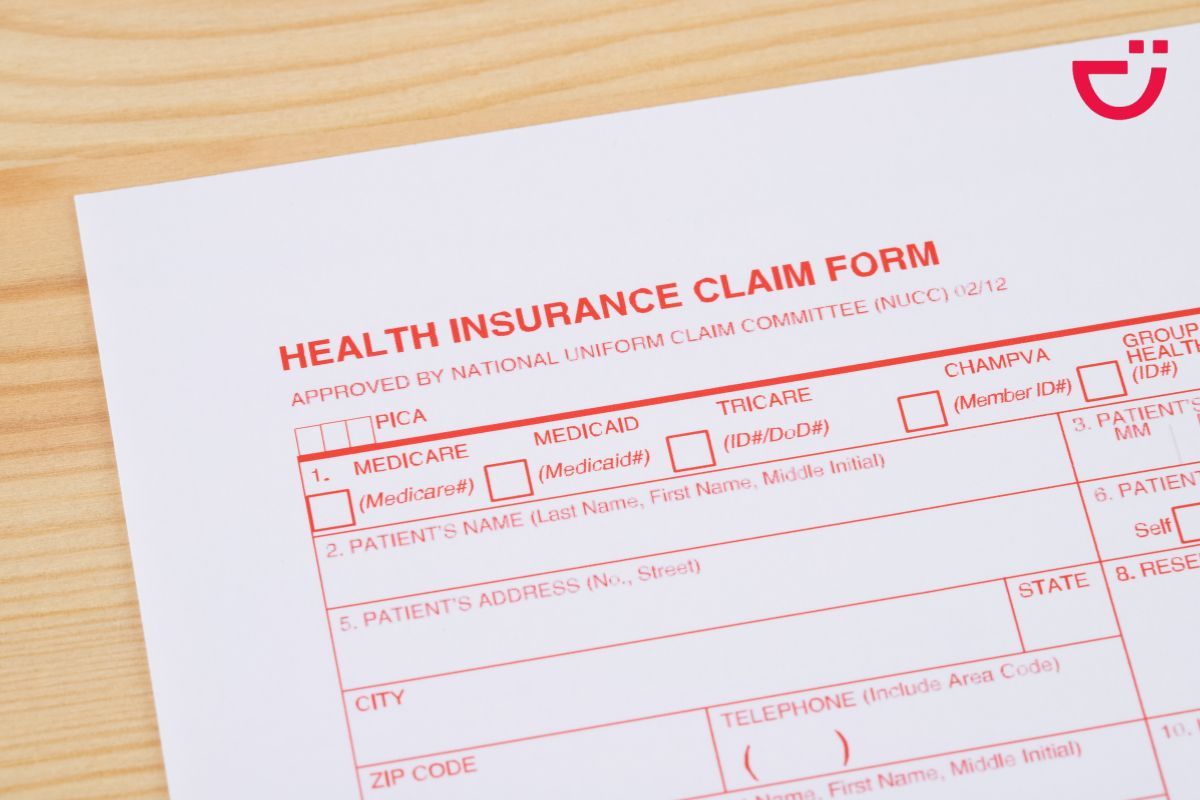
Why Does the Insurance Claim Process Take Time?
An insurer isn’t going to approve your claim the second it lands on someone’s desk. First, it has to establish two things: that the claim is genuine, and that your policy actually covers what you’re asking for.
Depending on what happened, that can mean checking documents, going over the fine print of your coverage, sending someone out to inspect the damage, or getting in touch with other people involved. Only after all that does the insurer sit down and calculate the number.
Compare a small repair with clean, complete paperwork to a claim involving serious damage and three or four parties. The first gets wrapped up quickly. The second simply can’t — there’s more to check, more people to hear from, and more room for something to need a second look.
Common Factors That Can Delay Your Insurance Settlement
Plenty of things can slow a claim down. Some are things you control. Others sit entirely with the insurer, or with people who aren’t even part of the conversation between you and them.
Missing or Incomplete Documents
This is, by far, the most common holdup. If the insurer is waiting on one document, the whole review tends to stall until it shows up — even if everything else is in order.
What’s actually required changes by claim type, but you’re usually looking at some mix of:
- Completed claim forms
- Receipts and invoices
- Photos of the damage
- Medical reports and prescriptions
- Police or incident reports, if relevant
- Repair estimates or other supporting records
Check what your insurer actually asks for before you submit anything, and make sure every file is legible — a blurry photo of a receipt causes as much delay as a missing one. And if they come back asking for something extra after you’ve already filed, send it the same day if you can.
Incorrect or Inconsistent Information
It’s almost unfair how much a small typo can cost you in time. A wrong policy number, a transposed date, a figure that’s off by a digit — any of it sends the insurer back to verify before they’ll move forward.
The other version of this problem is when your documents don’t quite agree with each other. Say the invoice lists a different total, or a different date, than what you wrote on the claim form. That mismatch gets flagged, and someone has to sort it out before the file moves again.
Read everything over before you hit submit. If you catch a mistake afterward, call the insurer and ask how to fix it rather than waiting for them to notice. Getting the details right the first time saves you a back-and-forth you don’t need.
Inspections and Damage Assessments
Some claims simply can’t be priced without someone physically looking at the damage first.
For a car, that might mean an assessor comparing the vehicle to the repair quotes you’ve submitted. For a house, it often means someone visiting in person to judge how bad things actually are and what fixing it will cost.
None of that happens instantly. Appointments have to be scheduled, the assessment has to be carried out, and then someone has to review the findings. If the damage turns out to be worse than expected, or an estimate raises a question, expect another round of checks on top.
If your insurer tells you an inspection is coming, ask two things up front: what you need to have ready, and whether you’re allowed to start any repairs before it happens. Jumping the gun on repairs can genuinely complicate your claim later.
Further Investigation
Sometimes an insurer digs deeper simply because the details aren’t fully clear, or because something about the claim needs independent confirmation.
That can mean reviewing your photos more closely, cross-checking an incident report, asking you follow-up questions, or contacting someone else who was involved. Bigger losses and more complicated situations naturally draw more scrutiny than a routine fender-bender.
Being investigated isn’t an accusation, and it’s not a sign the insurer plans to reject you. Usually it just means they need a bit more before they’re comfortable deciding. If your claim is in this stage, ask directly whether there’s anything you can send over to move things along.
Questions About Policy Coverage
No policy covers absolutely everything, and sorting out what does and doesn’t apply takes real review time.
Insurers check your coverage, exclusions, limits, and deductibles — and sometimes a few other conditions buried in the contract. A car policy might cover one kind of damage but exclude another entirely. A health policy might pay for one treatment in full and cap another at a fraction of the cost. When the insurer has to figure out whether a specific expense actually qualifies, that review can stretch on.
This is really the best argument for reading your policy before you ever need to use it. Knowing what’s covered, what isn’t, and what conditions apply means you’ll gather the right paperwork the first time — and a lot fewer surprises along the way.
Delays From Third Parties
Some claims hinge on people the insurer has no control over whatsoever.
A motor claim might be waiting on a repair quote from a garage. A medical claim might depend on a hospital sending over records. Others need confirmation from the police or another authority. When those documents are late, there’s genuinely nothing the insurer can do but wait too.
If you suspect this is what’s happening, just ask the claims team directly whether they’re waiting on an outside party. If you’re able to chase that paperwork yourself, check with the insurer first about the right way to submit it.
Slow Responses to Requests for Information
Once your claim is filed, the insurer might reach out for clarification or extra evidence. If that message sits in your inbox unread, or the reply takes two weeks to send, your claim just sits there with it.
While your review is active, check your email, texts, and your insurer’s app or portal regularly — these requests don’t always come with a loud notification. When one arrives, read it properly and send what’s needed as soon as you’re able.
Can’t get your hands on a specific document right away? Say so. Ask the insurer whether something else would work instead. Staying in the loop means you always know what’s actually needed, which cuts out a lot of avoidable waiting.
High Claim Volumes or Administrative Backlogs
Occasionally the delay has nothing to do with you at all — it’s the insurer that’s swamped.
This happens after a major storm, a regional event that triggers a wave of similar claims, or simply a period when inspectors and repair shops are booked solid. Even a perfectly complete file can sit longer than usual in these stretches.
There’s not much you can do here except ask for an update and a realistic estimate of when they’ll get to you.
How Long Should an Insurance Claim Take?
There’s genuinely no single number that fits every claim. It comes down to the type of insurance, how complicated the situation is, how complete your documents were from the start, and how the insurer runs its own process internally.
A simple claim with everything in order usually clears faster than one needing multiple inspections or a full investigation. And it’s worth remembering that approval and actual payment don’t always run on the same clock — being approved doesn’t mean the money lands the same week.
When you submit, ask how long the review is expected to take and how you’ll be kept updated. If that window comes and goes with no word, reach out to the claims team and ask what’s holding things up.
How Can You Help Avoid Insurance Claim Delays?
You don’t control the whole process, but a handful of habits genuinely cut down on the preventable delays:
- Submit complete documents. Check what your insurer actually requires and include every form and piece of evidence up front.
- Double-check your information. Names, policy numbers, dates, amounts — make sure they’re accurate and match across every document.
- Keep organized records. Save your receipts, photos, reports, forms, and any messages exchanged.
- Respond promptly. Whatever they ask for, send it as soon as you reasonably can.
- Follow up when needed. Keep your claim reference number handy and use it to ask for updates.
- Understand your policy. Know your coverage, limits, exclusions, and requirements before you ever need to file.
None of this guarantees a faster outcome. What it does is clear away the delays that happen for no good reason at all.
What Should You Do If Your Settlement Is Taking Too Long?
If your claim has been sitting longer than you expected, start by checking its status through the insurer’s website, app, or a quick call to customer service.
Then ask the real question: what exactly is it waiting on? Documents, an inspection, an internal review, or information from someone outside the company? Whatever the answer is tells you what has to happen before a decision gets made.
Keep notes on every call and every response you get back. If nobody can give you a straight answer, or the delay keeps stretching without explanation, ask about the insurer’s formal complaint process. And keep this in mind throughout: a delay is not the same thing as a rejection. A claim still under review hasn’t been turned down — it’s just not finished yet.
Conclusion
Claims take time because insurers have to verify what happened, review your coverage, assess the damage, and calculate a fair payout — and none of that happens instantly. Missing paperwork, deeper investigations, slow third parties, and plain old backlogs can all add weeks to the process.
You can head off a good chunk of that yourself: submit accurate information, keep your records organized, reply quickly when asked, and follow up if things go quiet. If your settlement is dragging, contact the insurer directly and find out what it’s actually waiting on.
And before you ever buy a policy, take the time to compare your options and actually read the terms. Tameen.om can help you explore what’s available and make a more informed choice from the start.
Frequently Asked Questions
Why is my insurance claim taking so long?
Usually it’s one of a few things: missing documents, incorrect information, a pending inspection, a deeper investigation, or an administrative backlog at the insurer. Contact them directly to check the status and find out whether they need anything further from you.
Can missing documents delay an insurance settlement?
Yes, and it’s the single most common cause. If the insurer needs additional forms, receipts, reports, or other evidence, the review typically pauses until that arrives. Complete, accurate paperwork is the easiest way to avoid a delay that didn’t need to happen.
Does a delayed insurance claim mean it will be rejected?
No. A delay generally just means the claim is still under review, or the insurer is waiting on more information. The best move is to ask for an update so you know the actual reason and what comes next.
Explore All Insurance Options on Tameen
Discover a wide range of insurance plans and compare coverage to find the option that best fits your needs.









 Whatsapp