











Planning a trip to Europe is an exciting milestone. Whether you are envisioning a summer stroll through the streets of Paris, a winter retreat in the Swiss Alps, or a business trip to the industrial hubs of Germany, the anticipation is usually high. However, for residents of Oman, that excitement often hits a speed bump the moment the visa checklist appears.
Most people view insurance as just another box to check, a pesky administrative hurdle standing between them and their Schengen visa. You might be tempted to click on the first cheap plan you find just to get that certificate for your appointment at the embassy.
That is a mistake. And it can be a very expensive one.
The Schengen travel insurance requirements are strict for a reason. If your policy doesn't meet the exact criteria set by the member states, your visa will be rejected. Beyond the visa, the right travel insurance is what stands between you and a massive medical bill in a foreign currency if something goes wrong.
So, let's walk through exactly what you need, why you need it, and how to find the best travel insurance without the usual headache.
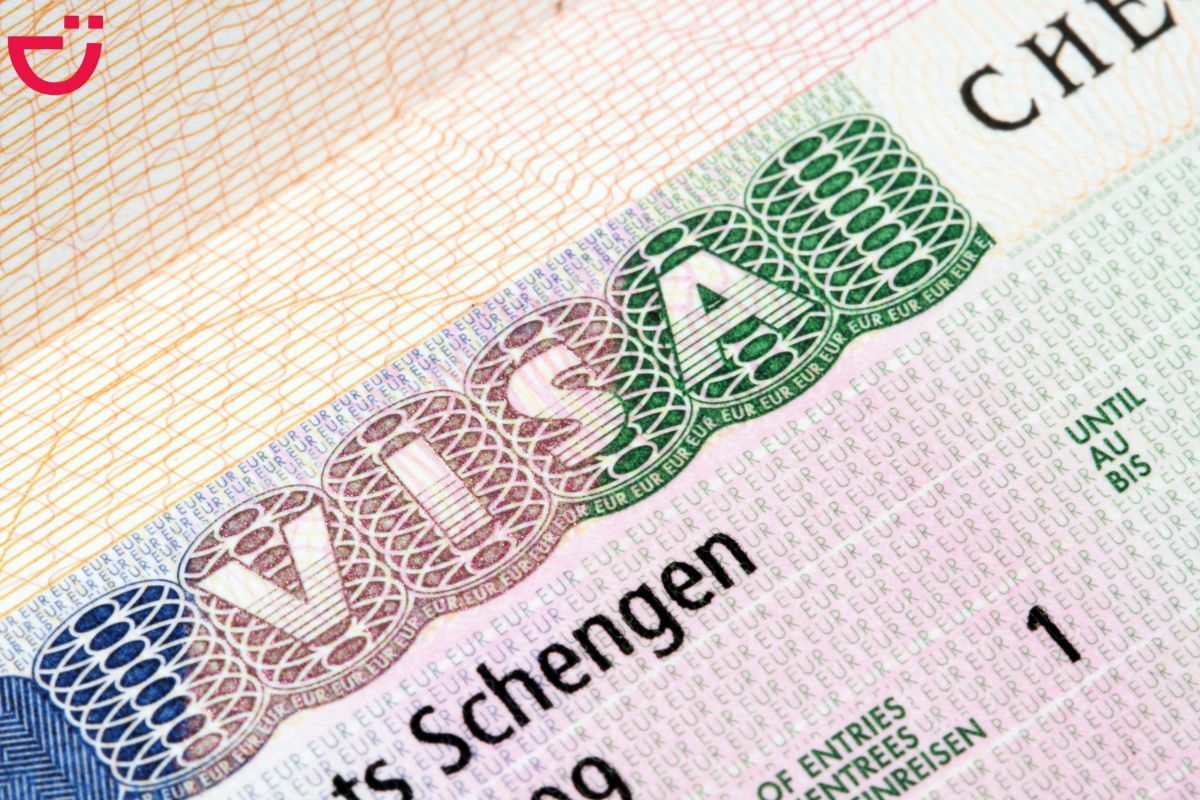
The Reality of the Schengen Visa
The Schengen Area consists of 27 European countries that have officially abolished passports and other border controls at their mutual borders.
Because you can move freely between these nations, the member states want to ensure that every visitor is financially self-sufficient, especially when it comes to health.
They don't want a situation where a visitor falls ill in Rome or has an accident in Madrid and cannot pay for their medical care. This is why travel health insurance is not an "optional extra" for Omani residents and many other nationalities; it is a legal prerequisite.
The Core Schengen Travel Insurance Requirements
To be accepted by the embassy or consulate, your insurance certificate must meet four specific criteria. If even one of these is missing or incorrectly stated, your application is likely to be returned or denied.
1. Minimum Coverage of €40,000
Your policy must provide a minimum medical coverage of €40,000 (approximately OMR 17,500). This amount is designed to cover any urgent medical expenses and emergency hospital treatment.
While €40,000 might sound like a lot, medical costs in Europe are significantly higher than in the GCC. A single night in a specialized European hospital can easily eat through a large portion of that limit.
2. Coverage for All Member States
Your travel insurance cannot be limited to a single destination, such as France or Italy. It must clearly state that it provides coverage throughout the entire Schengen Area.
Even if you only plan to visit one Schengen country, this is a mandatory visa requirement. Because there are no internal border checks between Schengen member states, you can travel freely across the zone, so your insurance must remain valid in every Schengen country.
- Current Schengen countries:
Austria, Belgium, Croatia, Czech Republic, Denmark, Estonia, Finland, France, Germany, Greece, Hungary, Iceland, Italy, Latvia, Lithuania, Liechtenstein, Luxembourg, Malta, Netherlands, Norway, Poland, Portugal, Slovakia, Slovenia, Spain, Sweden, and Switzerland.
- European countries that are not part of the Schengen Area:
United Kingdom, Ireland, Cyprus, Albania, Bosnia and Herzegovina, Kosovo, Montenegro, North Macedonia, Serbia, Moldova, Ukraine, Belarus, and Russia.
Note: Not all European countries are part of the Schengen Area. If your trip includes destinations outside the Schengen Zone, check whether your travel insurance also covers those countries, as separate coverage may be required.
3. Repatriation of Remains and Medical Evacuation
This is a section of the policy people don't like to think about, but it is mandatory. The insurance must cover the costs of flying you back to Oman for medical reasons or, in the most tragic circumstances, the repatriation of remains.
These costs are astronomical if paid out of pocket, often exceeding the price of the trip itself.
4. Validity for the Entire Duration of Stay
The insurance must be valid for the entire period of your stay in the Schengen Area. If you are applying for a multi-entry visa, your insurance needs to cover at least the period of your first intended visit.
Why "Cheap" Isn't Always the "Best Travel Insurance"
When you search for travel insurance online, the temptation is to filter by "lowest price." While Tameen.om helps you find competitive rates, the "best" policy is the one that actually pays out when you need it and ensures your visa is approved.
A "budget" policy might technically meet the €40,000 requirement, but have so many exclusions that it's practically useless. For example, some cheap policies exclude coverage for common incidents or have a very high "deductible" (the amount you pay out of pocket before the insurance kicks in). If your deductible is OMR 100 and your medical bill is OMR 120, the insurance company only pays OMR 20. That isn't great value.
The best travel insurance strikes a balance: it meets the Schengen requirements perfectly, carries a reputable brand name recognized by embassy officials, and offers real protection for things like trip cancellation and lost baggage.
Understanding the Difference: Travel Health Insurance vs. International Health Insurance
There is often confusion among expats living in Oman about whether their existing international health insurance is enough for a Schengen visa.
- International Health Insurance: This is usually a long-term plan designed for people living abroad. It covers routine check-ups, chronic conditions, and general wellness. While some premium international plans include worldwide travel coverage, they often do not provide the specific "Schengen Certificate" that embassies demand.
- Travel Health Insurance: This is a short-term, incident-based policy. It is designed specifically for emergencies that happen while you are away from home.
Even if you have the world's best employer-sponsored health insurance in Muscat, you will almost certainly still need to buy a specific travel insurance policy to get your visa certificate. The embassy needs to see a document that explicitly mentions "Schengen" and the €40,000 limit.
Beyond the Visa: What Else Should Your Policy Cover?
While the embassy only cares about the medical side, you should care about the rest of your trip. A comprehensive travel insurance policy does more than just satisfy a diplomat; it protects your financial investment in your holiday.
Trip Cancellation and Curtailment
What happens if you fall ill two days before your flight to Barcelona? Or what if an emergency at home forces you to fly back to Oman halfway through your trip? Trip cancellation and curtailment coverage reimburse you for non-refundable flight and hotel costs. Without this, you could lose thousands of Rials.
Lost or Stolen Baggage
European cities are beautiful, but like all major tourist destinations, they have their share of petty crime. If your suitcase is stolen or lost by an airline, your insurance can provide a payout to help you replace your essentials.
Flight Delays and Missed Connections
If a delay in Muscat causes you to miss your connecting flight in Istanbul or Doha, the costs of booking a new flight and staying in a hotel can add up. A good policy will offer a fixed benefit for significant delays to cover your meals and accommodation.
How to Buy Travel Insurance Online in Oman
The days of driving to an insurance office in Ruwi or Al Khuwair and waiting for a paper certificate are over. Buying travel insurance online has become the standard in Oman because it is faster, more transparent, and allows you to compare multiple providers at once.
Here is how the process usually works:
- Enter your details: You'll need your travel dates, destination (select "Schengen" or "Worldwide"), and the ages of the travelers.
- Compare quotes: You will see a list of different plans from various Omani insurers.
- Check the "Schengen Approved" label: Look for plans that specifically mention they meet the visa requirements.
- Instant Certificate: Once you pay, the certificate is emailed to you immediately. You can print this out and take it directly to your VFS Global or embassy appointment.
Common Pitfalls to Avoid
Even with the best intentions, travelers often make mistakes that lead to visa delays. Here is what to watch out for:
- The "Grace Period" Mistake: Some embassies require that your insurance be valid for an extra 15 days after your intended return date. This is a buffer in case your flight is delayed or you decide to stay a few extra days. Always check the specific embassy's website for this rule.
- The Passport Name Match: Ensure the name on your insurance certificate matches your passport exactly. If your passport says "Ahmed Mohammed Al-Abri" but your insurance says "Ahmed Al-Abri," the embassy might reject it.
- Buying Too Late: Don't wait until the morning of your appointment. While online delivery is instant, you want time to read the document and ensure there are no typos.
- Ignoring the "Excluded Activities": If you plan on skiing in the Alps or paragliding in Switzerland, a standard Schengen policy might not cover you. These are considered "high-risk" activities. You may need to add an "Adventure Sports" cover to your policy.
The Importance of Repatriation
This was touched on earlier, but deserves its own focus. The most expensive part of a claim is often repatriation. If the traveler has a serious heart attack or a major accident, they can't just fly back on a commercial flight in economy class. They might require a "medevac", a private plane equipped with medical personnel and life-support systems.
When looking at the Schengen travel insurance requirements, make sure that the repatriation limit is not only "included" but that it is a substantial limit. The cost of a medical flight from Europe to Oman can be over OMR 20,000.
Conclusion
Meeting the Schengen travel insurance requirements is about more than securing a visa approval. It is about ensuring that you are financially protected throughout your trip, whether you face a medical emergency, travel disruption, or unexpected setback.
By choosing a policy that meets the €40,000 minimum coverage requirement, covers all Schengen countries, and includes essential protections such as medical evacuation and repatriation, you can travel with greater confidence and peace of mind.
Tameen.om was developed to make things easier for people in Oman. You can see side-by-side travel insurance plans, see exactly what is covered and what is not, and find the right fit in minutes.
Before submitting your visa application, take the time to compare your options carefully and make sure your policy provides both the documentation embassies require and the protection you may need while abroad.
Frequently Asked Questions
Can I use my credit card's travel insurance for a Schengen visa?
Only if your bank provides a formal certificate specifically meeting the €40,000 minimum requirement. Many credit card plans are insufficient for visa applications, so buying a dedicated travel insurance policy is the safest way to avoid rejection.
What happens to my insurance if my visa is rejected?
Most Omani insurers offer a refund if you provide the official visa rejection letter from the embassy. Keep in mind that a small administrative fee may apply to process the refund.
Do I need insurance if I am a frequent traveler to Europe?
Yes. You are legally required to have valid insurance for every entry into the Schengen Area. For frequent fliers, an "Annual Multi-Trip" policy is more convenient and cost-effective than buying separate travel insurance plans for each trip.
Is COVID-19 coverage still required for Schengen insurance?
While most entry restrictions have eased, medical coverage for COVID-19 remains a standard feature in most reputable travel health insurance plans. This protects you from high emergency hospital costs while abroad.
Explore All Insurance Options on Tameen
Discover a wide range of insurance plans and compare coverage to find the option that best fits your needs.






 Whatsapp